

What is Hybrid Schooling?
Hybrid schooling provides a model of education which places parents primarily responsible for their children's education with the added benefit of weekly classroom instruction under a highly skilled and experienced educator.
Through hybrid schooling and partnership with teachers, we would equip families with the curriculum, tools, and community necessary to succeed.
Students attend classroom instruction two days and week, and parents are equipped with curriculum, a daily schedule, and the support it takes to continue their child’s education in the home setting.
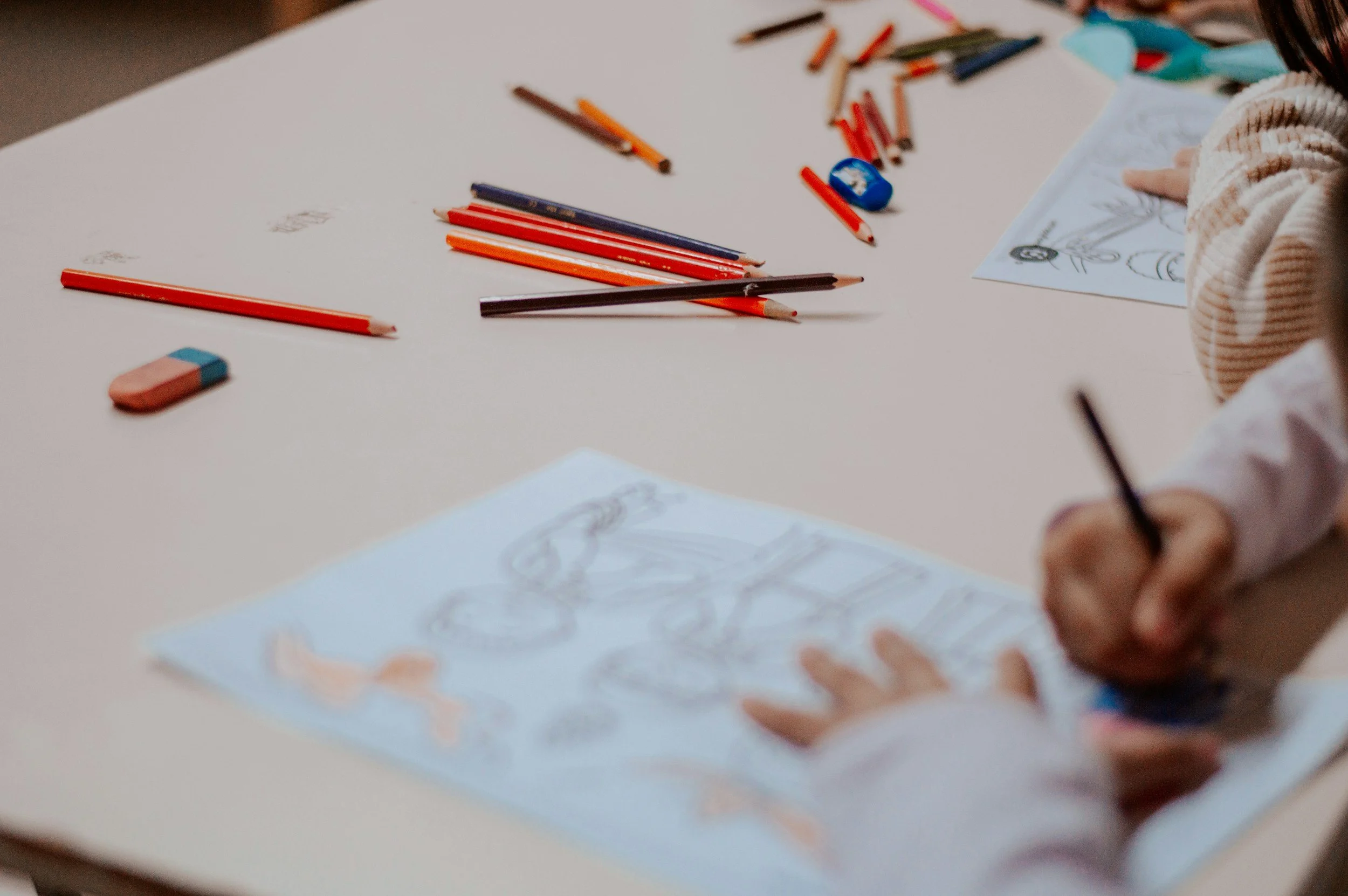
Classroom Instruction
During classroom days, teachers lead lessons in:
Bible, reading, writing, and arithmetic
Classical arts, music, and physical education
Hands-on science and collaborative projects
Students benefit from small class sizes, individualized attention,
and guided group learning.
Home Instruction
Parents act as learning partners, helping children practice skills, read, explore projects, and complete assignments.
Teachers provide structured guidance, lesson plans, and resources,
so families know exactly how to continue learning at home.
How is Hybrid Schooling Different from Co-op?
While both offer flexibility, a hybrid school is more structured than a co-op and may provide full curriculum, grading, and academic planning. Hybrid models are intentionally designed for part-time on-site learning with independent work at home built in. Parents often act as co-teachers on home days.
Proposed Hybrid Schedule
CLASSROOM INSTRUCTION
Mondays and Tuesdays
8:45-AM - 2:00 PM
36 Weeks Per Year
HOME INSTRUCTION
Wednesdays and Thursdays
Curriculum & instructions will be provided.
Roles & Responsibilities
Within a Hybrid Model
-
Parent Responsibilities
Engage with your child during at-home learning days
Support and supervise independent assignments
Encourage spiritual development, reading, and curiosity
Communicate with teachers about progress, questions, or challenges
-
School Responisbilities
Plan and deliver in-person lessons
Provide guidance and materials for home-based learning
Track student progress and adapt instruction to individual needs
Partner with parents to encourage
growth in academics, character, and faith